THE JOURNAL
Notes from the Blackwood desk.
Writing updates, historical rabbit holes, research notes, and the occasional glimpse behind the stories.
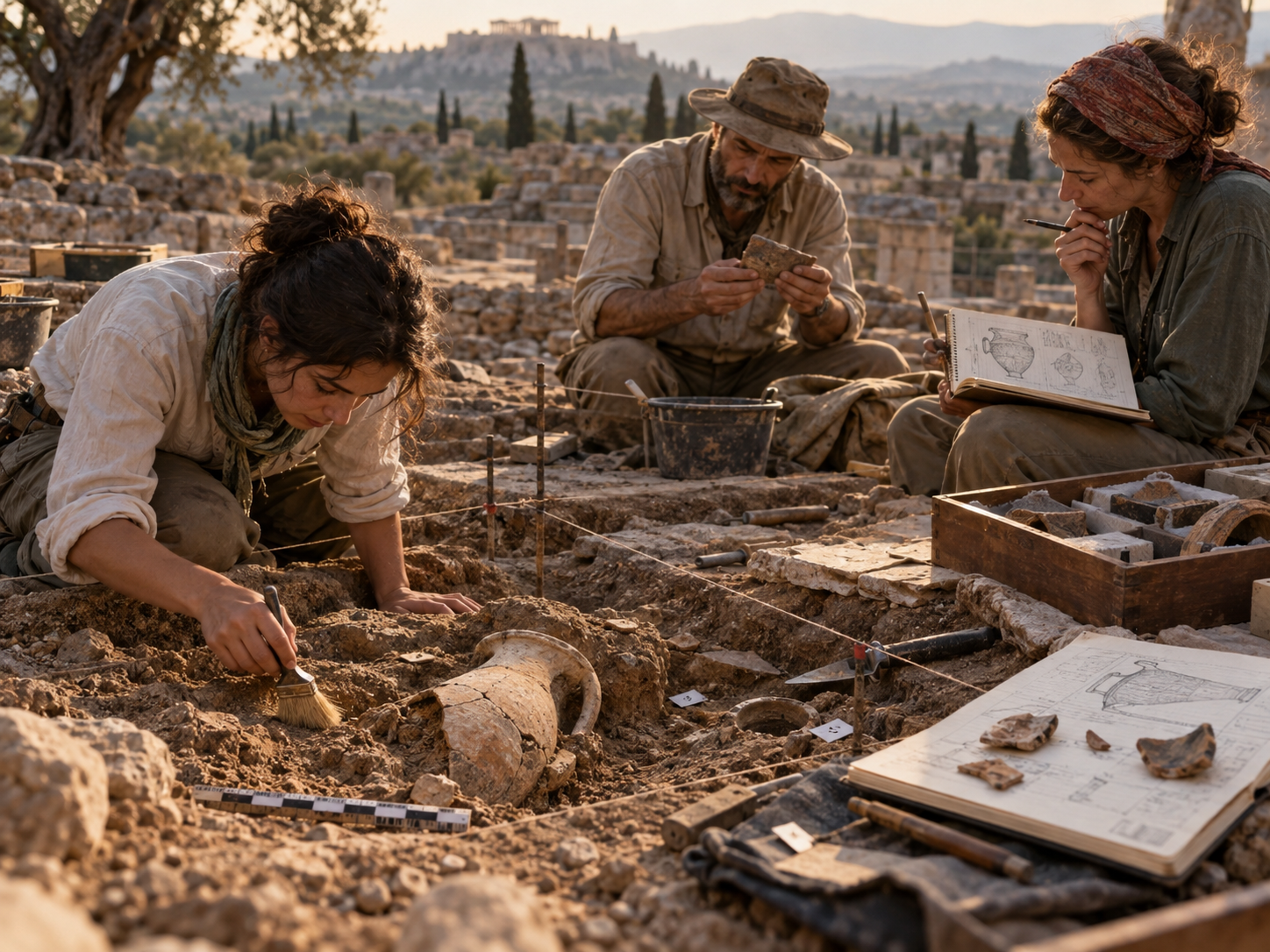
What Historical Fiction Owes the Gaps It Cannot Responsibly Fill
Historical fiction lives in the space between evidence and imagination. The challenge is knowing what the record supports, what can be reasonably inferred, and what must be invented for the story to continue. This post looks at why those distinctions matter and why responsible historical fiction does not eliminate uncertainty but learns how to write through it.

When the Archive Goes Quiet
The archive does not always give us answers. Sometimes it gives us fragments. A line in a record, an ordinary word carrying uncertain meaning, a silence where we wish a declaration had survived. Writing sapphic history means learning to work within those gaps without pretending they are certainty.
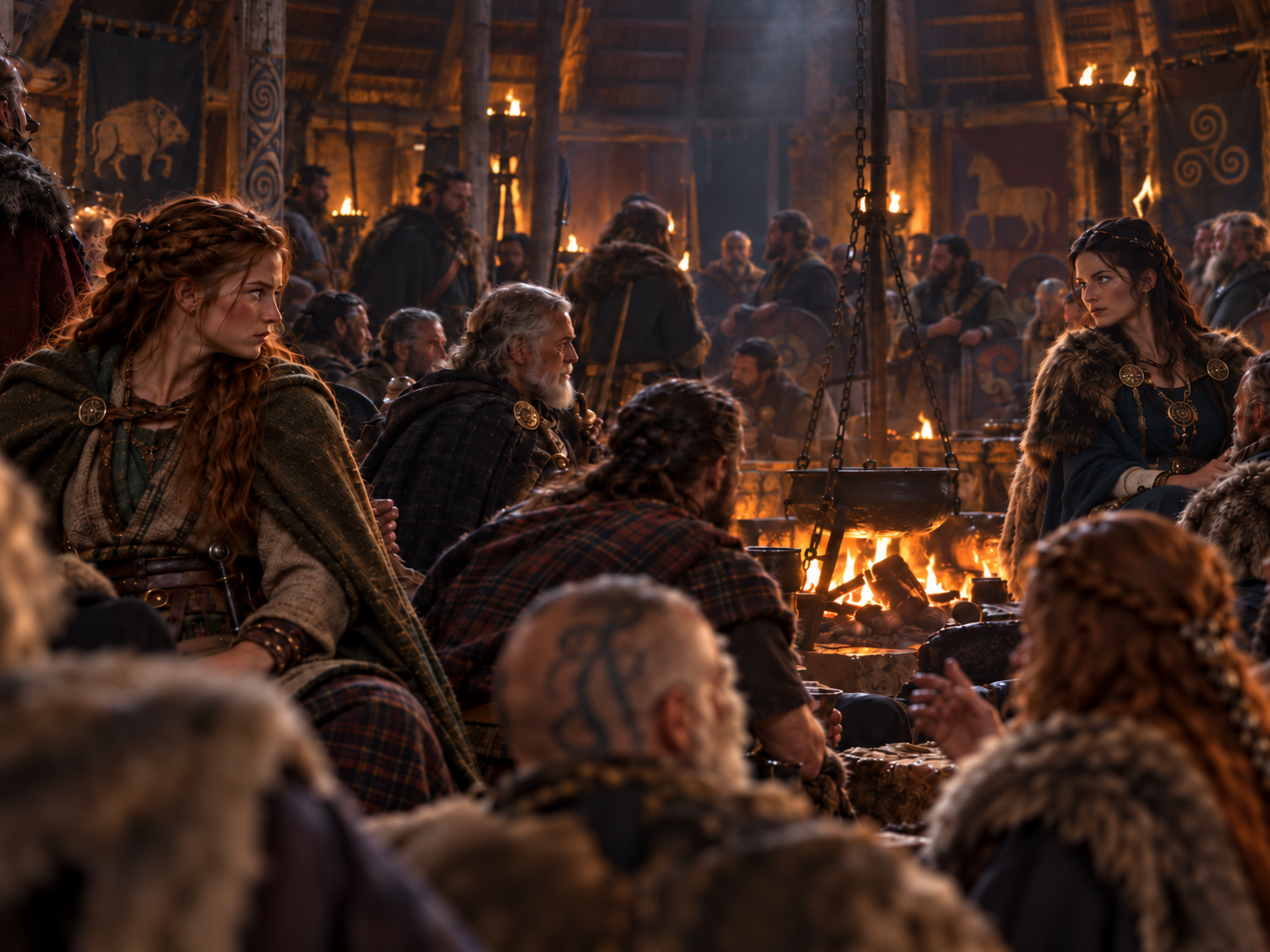
The Ordinary Work of Making a Past Feel Lived In
Historical fiction often lives in the quiet details: a glance across a crowded room, the weight of a garment, the rules of who speaks first, or the risks hidden inside an ordinary choice. This Journal entry explores how material culture, social expectations, and small moments of intimacy can make the past feel specific, inhabited, and emotionally real.
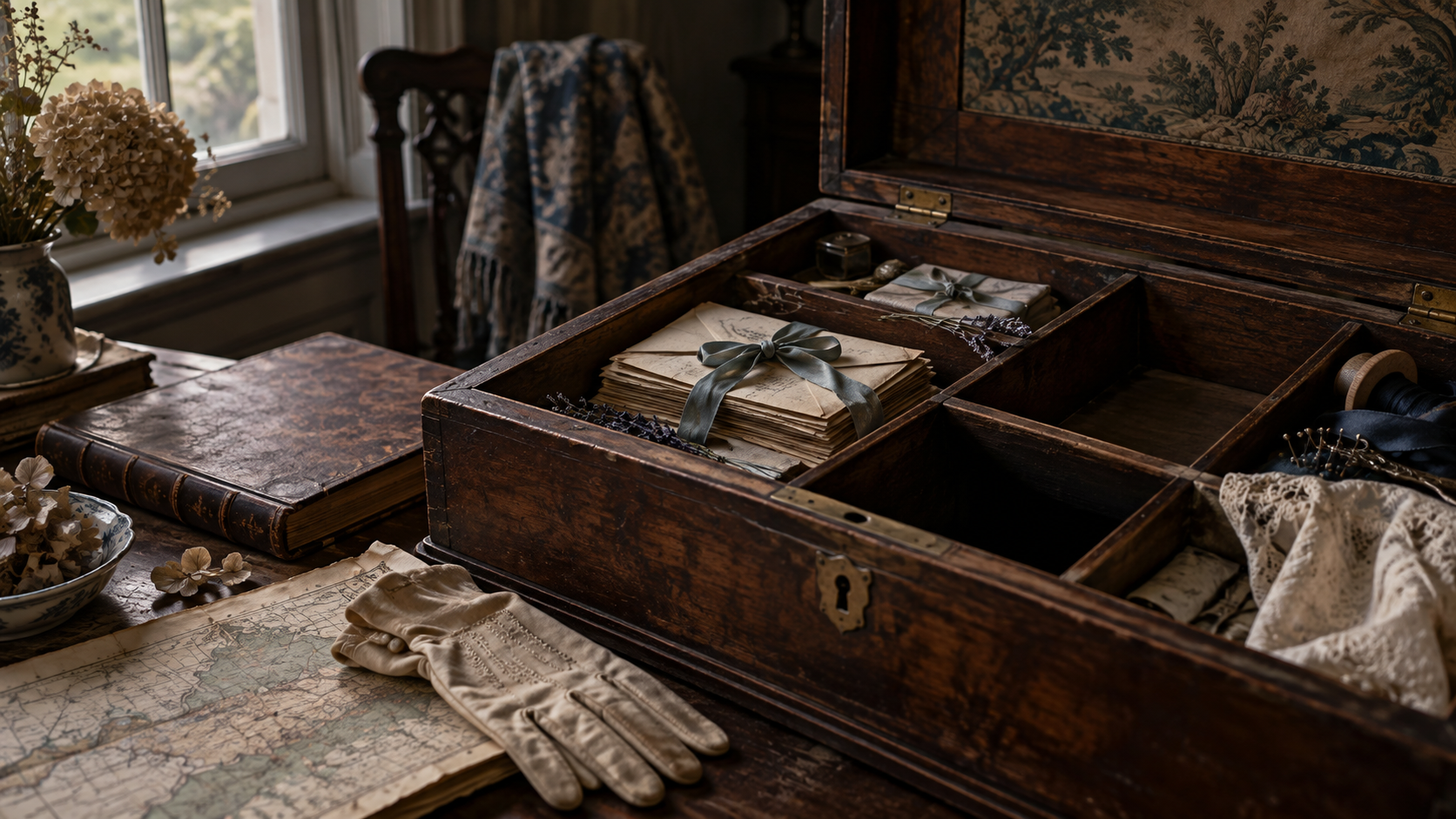
The Archive’s Useful Silences
History rarely preserves every story. Letters disappear, records remain incomplete, and entire lives are reduced to fragments. In sapphic historical fiction, these silences demand both imagination and restraint. Explore how the gaps in the historical record can shape believable characters and relationships without mistaking possibility for proof.
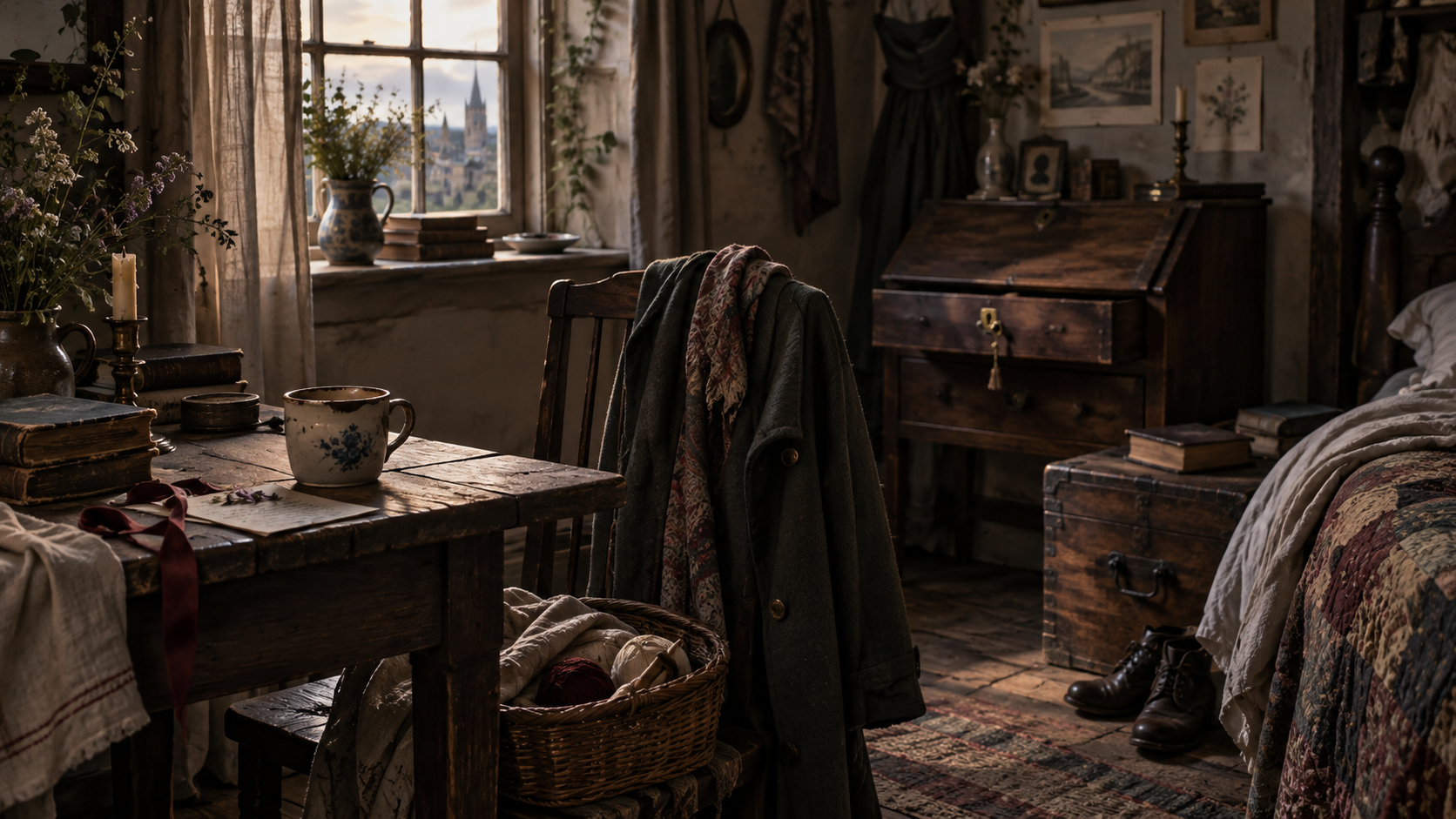
The Room Before the Romance: Building Historical Atmosphere Through Material Life
A historical room is more than a backdrop. The objects people owned, the spaces they shared, and the privacy they were denied shaped their everyday lives—and their relationships. Explore how the smallest details of material life can create atmosphere, reveal social constraints, and give forbidden love a place to exist in sapphic historical fiction.
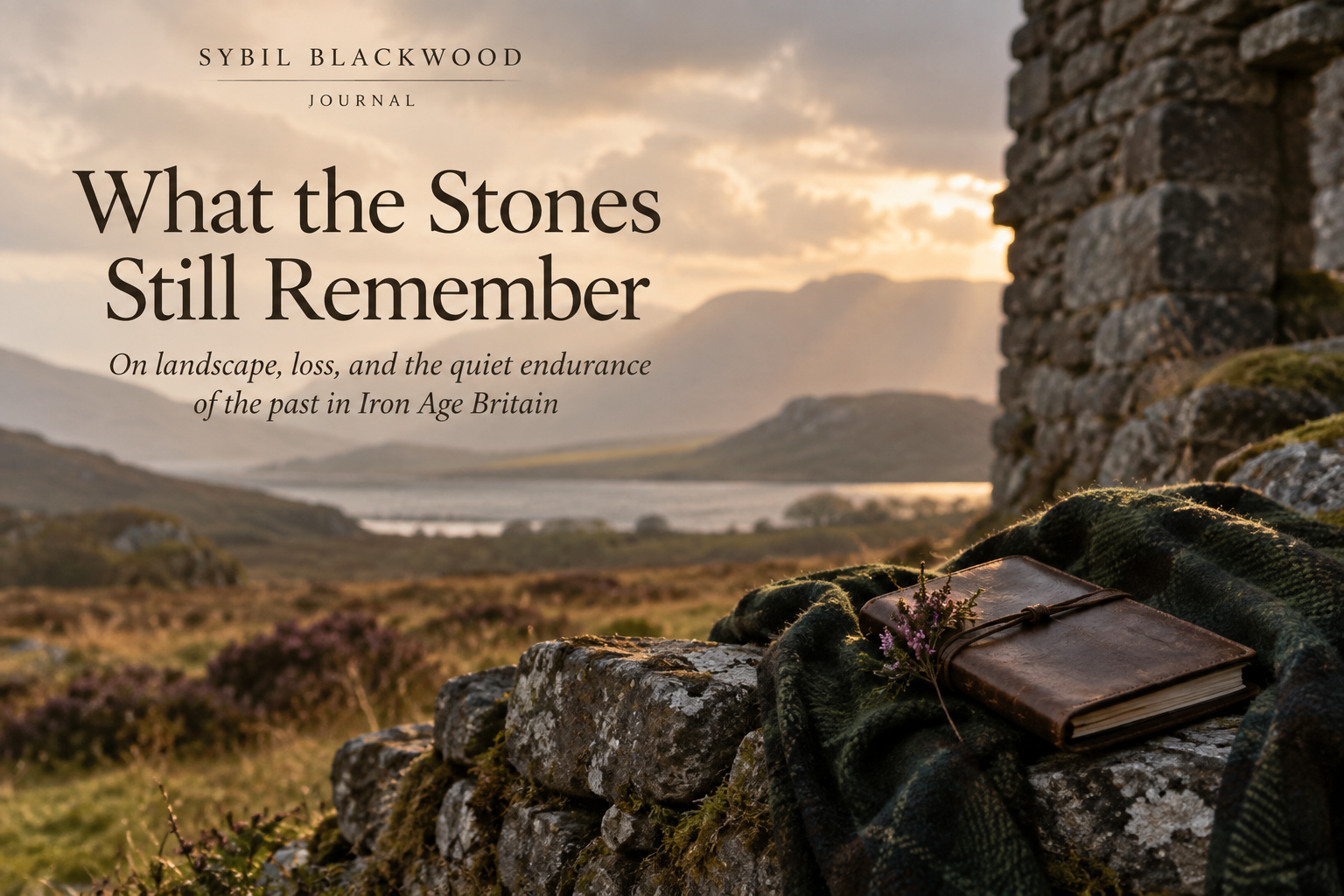
Researching the Ordinary: How Everyday History Makes Sapphic Fiction Feel Real
Historical fiction feels most alive in the ordinary details—the things people touched, wore, feared, understood, and took for granted. For sapphic historical fiction, those everyday limits matter even more, shaping not just the world around the characters, but the ways they can move through it, trust one another, and love.

Beyond the Costume: Building Women Who Resist History’s Expectations
Historical women were rarely as simple as the roles written for them. This piece looks at how I build women who push against expectation—through history, desire, survival, and the choices they refuse to surrender.

What the Record Leaves Out
History rarely gives us a complete story. More often, it leaves fragments—a name in the wrong place, an object without an owner, a woman mentioned once before disappearing from the record entirely. Those gaps are usually where my research gets interesting.